
The Five Elements (오행, oh-haeng) — Wood, Fire, Earth, Metal, and Water — are the five energies that make up every Saju chart. The balance between them shapes your personality, strengths, and life tendencies: which elements you have a lot of, a little of, or none of is what tells a Saju reader who you are. This guide is the map; each element also has its own deep dive linked below.
What are the Five Elements (오행)?
In Saju (Korean Four Pillars), your birth date and time convert into eight characters — the "eight letters" (팔자) — and every one of them carries one of five elemental energies: Wood (목, mok), Fire (화, hwa), Earth (토, to), Metal (금, geum), and Water (수, su). Together they're called 오행 (oh-haeng), literally "five movements." They aren't literal substances — they're types of energy, each with its own personality. The same five elements underpin Korean Saju, Chinese BaZi, traditional medicine, and feng shui; only the interpretation traditions differ.
What does each element mean?
Each element is a distinct temperament. Here's the essence of all five — and where to read the full personality profile of each:
- Wood (목, mok) — growth, creativity, compassion. Like a tree reaching upward: expanding, nurturing, idealistic.
- Fire (화, hwa) — passion, expression, warmth. Bright and magnetic, drawn to connection and visibility.
- Earth (토, to) — stability, reliability, care. Grounded and patient — the steady center others lean on.
- Metal (금, geum) — discipline, precision, principle. Sharp, resilient, and structured.
- Water (수, su) — wisdom, adaptability, intuition. Flowing and flexible, always finding its own path.
Each element also comes in a Yang and a Yin form — which is how five elements become the ten "Heavenly Stems." Yang Wood is the towering tree (갑); Yin Wood is the supple vine (을). Yang Fire is the sun (병); Yin Fire is the candle (정). That yin/yang split is why two people who are both "Fire" can feel completely different.
How do the Five Elements interact?
The elements aren't isolated — they feed and check each other in two cycles, and reading those relationships is the heart of Saju:
- Generating cycle (상생, sangsaeng): Wood feeds Fire → Fire makes Earth (ash) → Earth bears Metal → Metal holds Water → Water grows Wood. Each element nourishes the next.
- Controlling cycle (상극, sangkeuk): Wood parts Earth → Earth blocks Water → Water quenches Fire → Fire melts Metal → Metal cuts Wood. Each element keeps another in check.
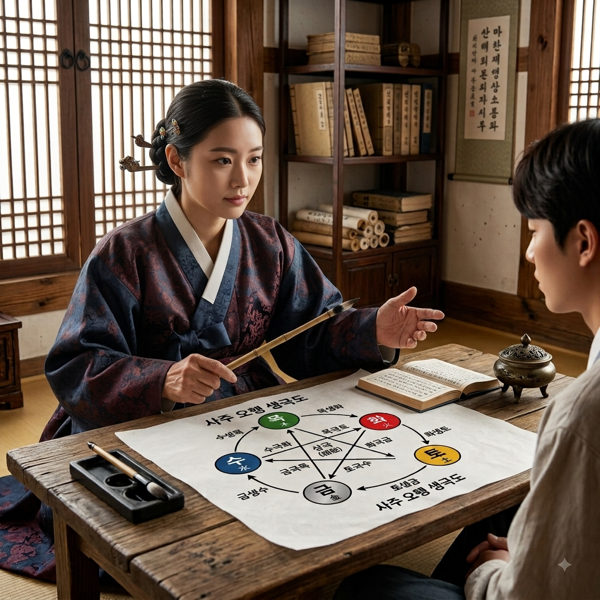
A healthy chart holds these forces in reasonable balance. When one element floods the chart, it doesn't just amplify its own traits — it overwhelms the element it controls and drains the one that feeds it. That ripple is why a single dominant element can color your whole personality.
What does your element balance mean?
Saju reads not just which elements you have, but how much:
- A lot of one element amplifies its traits — and can tip into excess. Too much Fire can mean burnout and impatience; too much Water, overthinking and anxiety.
- A little, or none, of an element points to a quality you may need to cultivate. Missing Water can mean difficulty letting go; missing Wood, trouble getting started.
Neither is "good" or "bad." A missing element isn't a flaw — it's an invitation, and a strong element is a gift with a shadow side. The art of a reading is seeing how the five push and pull together.
Your Day Master: the element that is you
Of the eight characters, one matters most: the Day Master (일간, ilgan) — the heavenly stem of your day pillar. This single element represents you, and the whole chart is read in relation to it. If your Day Master is Yin Fire (정), for example, then every other element is interpreted by how it helps or challenges that candle flame — what feeds it (Wood), what drains it (Earth), what threatens it (Water), what it refines (Metal). Knowing your Day Master is the first thing a reading establishes.
Curious which elements fill your chart — and what your Day Master is?

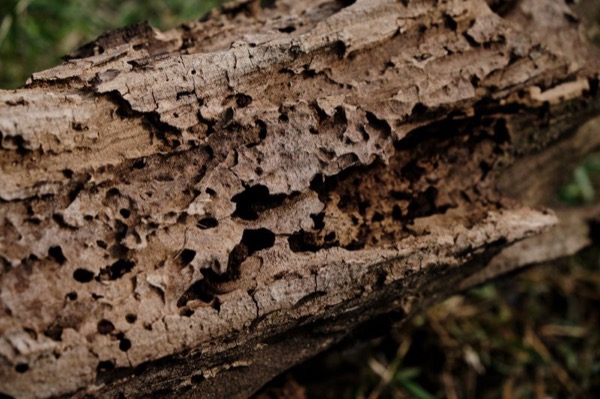
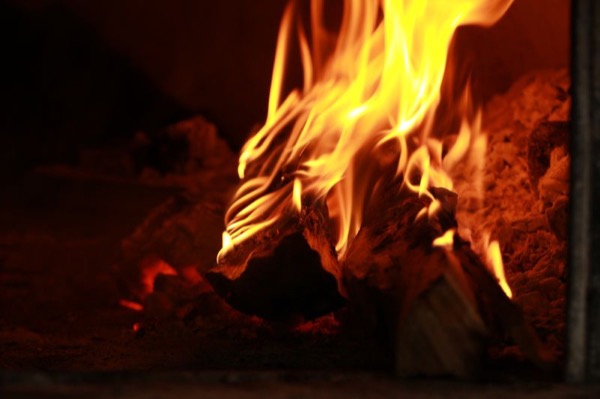
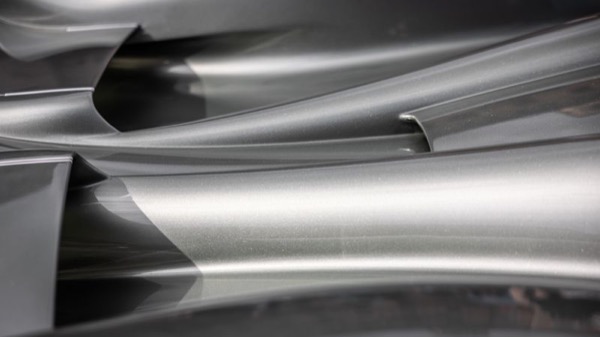
🧭 Explore each element in depth


FAQ
What are the Five Elements in Saju?+
Wood, Fire, Earth, Metal, and Water (오행) — the five energies that make up every chart, in both Yang and Yin forms.
Is it bad to be missing an element?+
Not "bad." A missing element usually points to a quality you're invited to develop, not a flaw.
What are the two element cycles?+
The generating cycle (상생), where each element feeds the next, and the controlling cycle (상극), where each keeps another in check.
Are Saju's Five Elements the same as the Chinese Five Elements (Wu Xing)?+
Yes — Saju (사주) and Chinese BaZi use the same five elements; only the language and interpretation traditions differ.
Which element is most important in my chart?+
Your Day Master (일간) — the element representing you — is the anchor everything else is read against.
This guide is for reflection and entertainment, not professional advice.